Post Produced By-Crowell Vinter
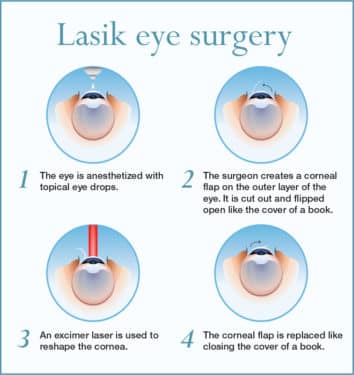
Refractive lens exchange, also known as refractive lens exchange, has become as a compelling choice for people seeking improve their sight. This groundbreaking procedure offers a method for those with vision issues, such as nearsightedness, farsightedness, and presbyopia, who may not be ideal candidates for LASIK or alternative laser treatments. As our knowledge of vision correction evolves, more people are considering custom lens replacement as a pathway to better vision and enhanced quality of life.
However, before you embark on the process toward lens replacement surgery, it is important to know both the pros and cons associated with this procedure. From the different kinds of available lenses to the post-operative recovery and potential risks, being well-informed can help you make the optimal decision for your personal needs. In Alternatives To Lasik For High Myopia , we'll examine the essential aspects of lens replacement surgery, including candidacy requirements, costs, recovery timelines, and expert insights on what to expect every step of the way.
Benefits of Intraocular Lens Surgery
Lens replacement surgery offers considerable benefits, particularly for those with vision problems such as myopia, hyperopia, or irregular vision. By replacing the natural lens with a custom lens implant, patients often achieve improved vision without the limitations of spectacles or contact lenses. This procedure can be especially helpful for individuals with strong vision prescriptions or conditions like age-related vision issues, as it provides a long-term remedy to correcting vision.
Another notable advantage of intraocular lens surgery is its adaptability in managing a variety of visual impairments. With options like accommodating lens implants and extended depth of focus lenses, patients can enjoy better vision at various distances. These high-quality lens replacement choices can enhance not just definition but also the visual quality, allowing individuals to participate in daily activities with more comfort and happiness.
Furthermore, intraocular lens surgery is widely regarded as secure and efficient, with a considerable success rate. A majority of patients report a quick recovery and notable improvements in vision shortly after the surgery. This surgery can be a revolutionary decision, reducing dependency on corrective eyewear and improving overall living standards, making it an appealing choice for those seeking sustainable vision care.
Limitations and Risks
Despite the numerous benefits of lens replacement surgery, it is crucial to take into account the potential drawbacks and risks associated with the procedure. One significant concern is the risk of complications, which can include infection, hemorrhaging, and swelling. While these risks are somewhat low, they can have grave implications for vision if they occur. Additionally, some patients may experience issues such as glare, halo effects, or diminished contrast sensitivity, particularly in dim conditions, which can affect visual quality.
Another drawback is the fact that lens replacement surgery is not suitable for everyone. Candidates must undergo a comprehensive consultation to determine if they are suitable for the procedure. Factors such as pre-existing eye conditions, overall health, and age can impact candidacy. For instance, individuals with specific corneal diseases or those who are pregnant may be advised against the surgery, restricting the potential patient population.
Additionally, while lens replacement surgery can provide significant improvements in vision, it does not ensure perfect results for all patients. Some may still require corrective lenses for certain tasks after the surgery. It's important for prospective patients to have realistic expectations and understand that while the procedure can greatly enhance vision, it may not entirely eliminate the need for glasses, especially as one ages.
Eligibility and Process
Assessing candidacy for lens replacement surgery involves a thorough evaluation by an expert surgeon. Ideal candidates generally consist of individuals over the age of forty-five who are experiencing age-related vision changes or those with high prescriptions for nearsightedness or farsightedness. Candidates should also have normal eyes without any prior eye surgeries, significant lens opacities, or severe ocular conditions that could affect the surgery's success. During an initial consultation, a thorough examination of the eyes, including testing for visual acuity and measuring the curvature of the cornea, will help establish whether lens replacement is the right choice.
The lens replacement procedure itself is a simple process that typically takes about 15 to thirty minutes per eye. The surgery begins with the application of local anesthesia and sedation to ensure the patient's comfort. Once the patient is relaxed, the surgeon makes a small incision in the cornea and removes the natural lens of the eye using sonographic methods. After https://www.mirror.co.uk/sport/football/news/jurgen-klopp-eye-operation-means-24761848 is removed, a custom intraocular lens is implanted to replace it. The latest lens options available, such as accommodating and extended depth-of-focus lenses, can provide a more tailored vision correction experience personalized to the patient's specific needs.
After the procedure, patients can expect a relatively fast recovery. Depending on the type of lens chosen, the recovery time can differ, but many individuals notice significant improvement in vision within a few days. Post-operative instructions will usually include using prescribed eye drops, avoiding intense activities, and attending follow-up appointments to monitor the healing process. While most experience minimal discomfort, some may have minor side effects, which are typically tolerable and resolve relatively quickly.
Pricing and Financing Options
The cost of lens replacement surgery can vary significantly based on multiple factors, including the kind of lenses selected, the surgeon's experience, and the geographical location of the procedure. On average, patients can foresee to pay between three thousand to five thousand dollars per eye. Superior lens options, such as accommodating or extended depth of focus lenses, may boost the overall cost due to their advanced technology and advantages.
Insurance coverage for lens replacement surgery often depends on the individual circumstances of the patient. While a few health plans may cover specific aspects of the procedure, such as if it is deemed medically necessary, others may not cover optional lens replacements. It is important to review your coverage plan and consult with your provider to grasp your coverage options and out-of-pocket expenses.
For those worried about the monetary aspect of lens replacement surgery, different financing options are offered. Many clinics provide payment plans, which allow patients to divide the cost over time. Additionally, FSAs and HSAs can be used to cover a portion of the expenses. It is recommended to explore financing options during the consultation process to identify a solution that fits your budget and needs.