Staff Writer-Faber Lucas
When it comes to eye health, understanding the distinction in between medical and medical eye care is important. Surgical eye care addresses major conditions through invasive treatments, while medical eye care concentrates on prevention and management of much less extreme concerns.
Review of Surgical Eye Treatment
Medical eye care commonly comes to mind as an important choice for dealing with significant vision issues when you assume regarding eye care. This type of care focuses on procedures that can deal with or enhance substantial troubles, such as cataracts, glaucoma, or retinal conditions.
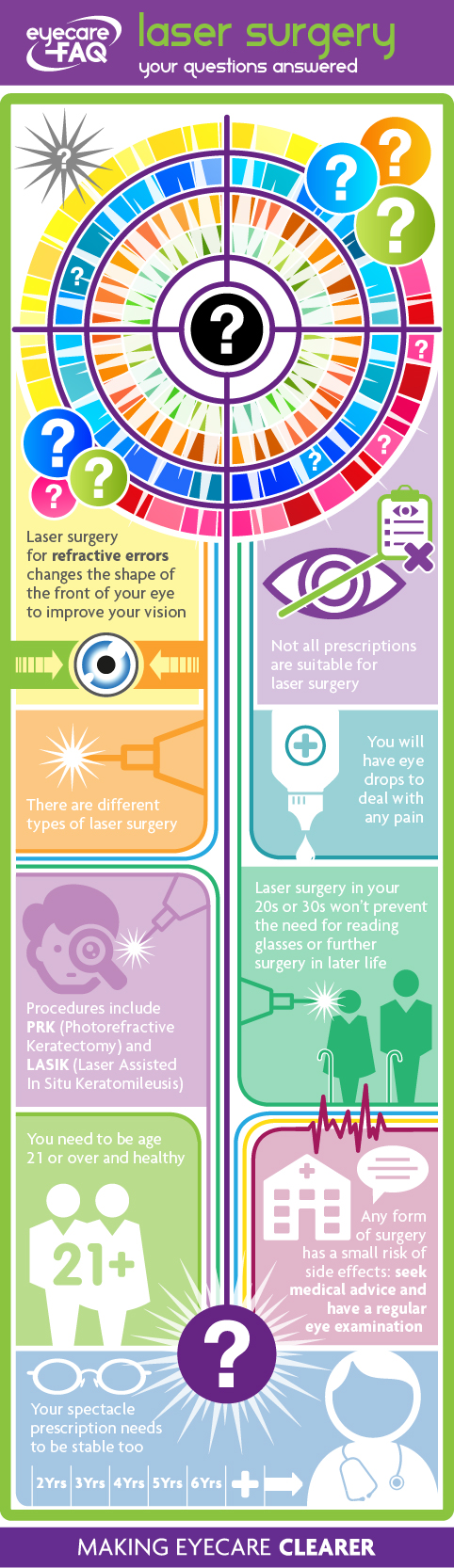
You might take into consideration LASIK or PRK for refractive errors, enabling you to decrease dependence on calls or glasses. Surgical eye treatment includes a thorough assessment by an eye doctor, who'll assist you via essential tests and discuss the very best alternatives.
While Highly recommended Resource site can offer amazing outcomes, it's necessary to recognize the threats and healing processes involved. Ultimately, surgical eye care can provide life-changing improvements to your vision, enhancing your lifestyle considerably.
Summary of Medical Eye Treatment
While medical eye care addresses significant vision concerns with procedures, medical eye care concentrates on the prevention, medical diagnosis, and therapy of much less serious eye conditions.
This kind of care commonly includes handling chronic conditions like glaucoma, cataracts, and diabetic person retinopathy. You'll typically go to an ophthalmologist or optometrist for extensive eye examinations, where they'll evaluate your vision and eye health.
They may suggest drugs, suggest way of living adjustments, or supply non-invasive therapies to help preserve your vision. Regular examinations are essential, as they can capture possible issues early.
When to Seek Each Kind Of Care
Recognizing when to look for clinical or medical eye care can make a substantial difference in your vision health and wellness. If you experience abrupt vision changes, like blurriness or loss of view, it's important to look for immediate medical interest.
Clinical eye treatment is often your initial step for problems like completely dry eyes, allergies, or infections. You need to see an ophthalmologist for normal exams to manage continuous concerns.
On the various other hand, if you're taking care of advanced cataracts, retinal detachment, or glaucoma that hasn't reacted to drug, medical treatment may be needed.
Constantly trust your instincts-- if something feels off with your eyes, don't think twice to speak with a specialist. Your positive technique can result in much better end results for your vision.
Verdict
In verdict, knowing the difference in between clinical and surgical eye treatment is crucial for maintaining your vision. Conversely, for less serious issues, normal medical care can maintain your eyes healthy and avoid further problems.
Surgical Eye Care vs. Medical Eye Care: Recognizing the Difference
When it comes to eye health and wellness, knowing the distinction between medical and clinical eye treatment is vital. Surgical eye care addresses significant conditions via intrusive procedures, while medical eye treatment focuses on prevention and monitoring of much less severe issues. In conclusion, understanding the distinction between medical and medical eye treatment is essential for keeping your vision. On the other hand, for much less extreme concerns, routine medical care can maintain your eyes healthy and protect against further troubles.